Understanding Facial Hyperpigmentation: Causes, Concerns, and Solutions
Facial hyperpigmentation can feel like a stubborn shadow you just can't shake. Whether it's dark spots, melasma, or uneven skin tone, knowing what causes these patches is key to tackling them. In this guide, you'll get clear insights into the main triggers and explore practical hyperpigmentation treatments that can help restore your skin's natural glow.
Understanding Facial Hyperpigmentation
Your skin tells a story - one written in spots, patches, and uneven tones. Facial hyperpigmentation affects people of all skin types, though it shows up more clearly on some than others.
Common Causes and Concerns
Sun exposure sits at the top of the list for causing facial hyperpigmentation. Those UV rays trigger your skin to produce extra melanin as a defense mechanism. This explains why you might notice dark spots appearing after a day at the beach.
Hormonal changes rank as the second major trigger. Many women develop melasma during pregnancy or while taking birth control pills. These brown or grayish patches typically appear on the forehead, cheeks, and upper lip.
Post-inflammatory hyperpigmentation happens when your skin overproduces melanin after injury or inflammation. Acne scars, bug bites, cuts, or burns can leave dark marks that last for months.
Aging makes hyperpigmentation more common too. As your skin changes over time, past sun damage often reveals itself through age spots (sometimes called liver spots).
The Science Behind Skin Discoloration
Melanin gives your skin its color - but when production goes into overdrive, dark spots form. This process starts deep within your skin in cells called melanocytes.
When triggered by UV radiation, inflammation, or hormones, these cells pump out excess melanin. The extra pigment gets distributed unevenly, creating darker patches on your skin's surface.
Your genetics play a big role in how likely you are to develop hyperpigmentation. People with darker skin tones have more active melanocytes, making them more prone to pigmentation issues.
Research from the National Library of Medicine shows that melanin production involves complex pathways. Understanding these mechanisms has helped scientists develop targeted treatments that work at different stages of the pigmentation process.
Effective Treatment Options
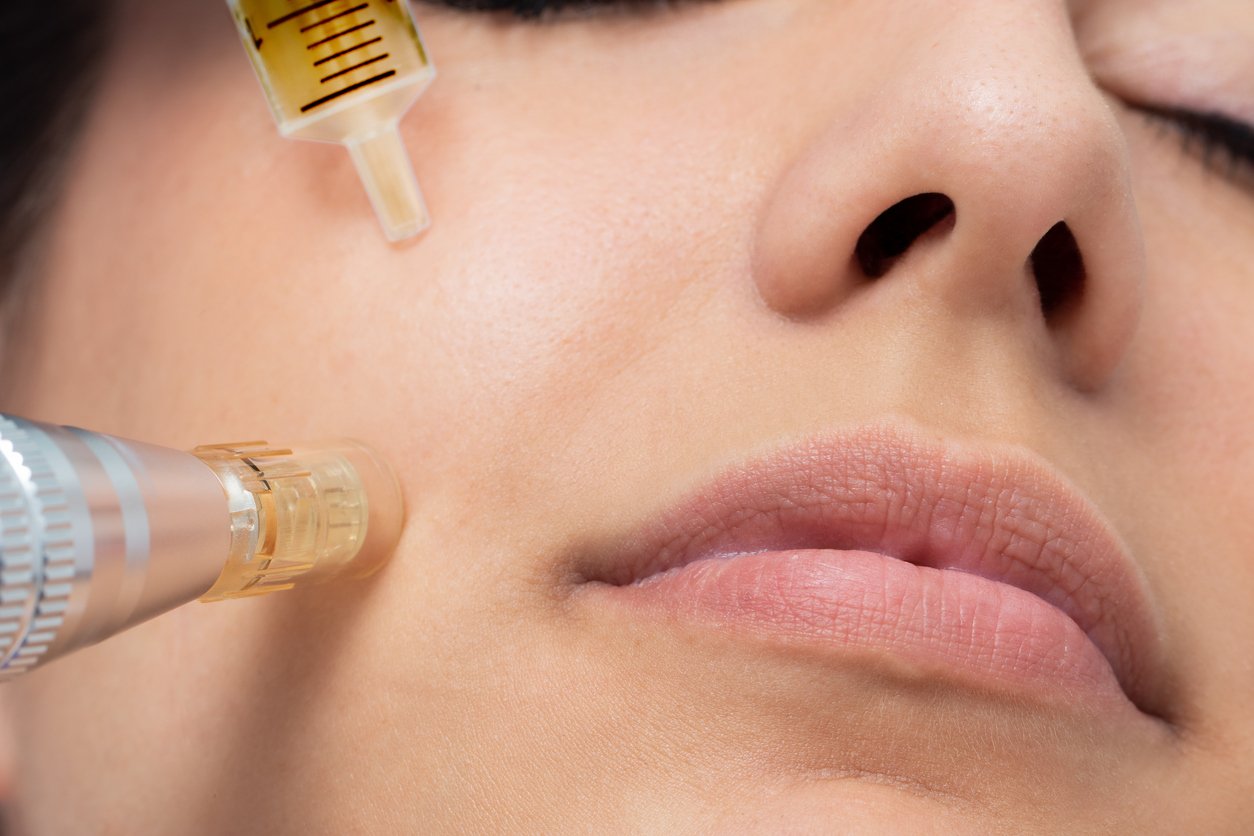
Breaking free from hyperpigmentation requires patience and the right approach. The good news? You have more options today than ever before.
Treatments for Hyperpigmentation
Topical retinoids speed up cell turnover, helping your skin shed darkened cells faster. They work best for post-inflammatory hyperpigmentation but require consistency - results typically show after 8-12 weeks of regular use.
Vitamin C serums brighten skin and block enzymes that produce melanin. Look for products with 10-20% L-ascorbic acid for best results. Morning application works well since vitamin C also helps protect against sun damage.
Chemical exfoliants containing alpha hydroxy acids (AHAs) or beta hydroxy acids (BHAs) remove the top layer of skin cells. Glycolic acid (an AHA) works particularly well for hyperpigmentation by promoting faster cell renewal.
Laser therapy targets pigment cells without damaging surrounding tissue. Different types exist for various skin tones and concerns. Most people need 3-5 sessions spaced about a month apart to see significant fading.
Chemical peels remove outer skin layers, revealing fresher skin beneath. Strength varies from light peels (minimal downtime) to deep peels (longer recovery but more dramatic results).
Natural vs. Chemical Remedies

Natural remedies offer gentler options with fewer side effects. Licorice root extract contains glabridin, which blocks the enzyme that produces melanin. Apply products containing 1-2% licorice extract daily for gradual lightening.
Niacinamide (vitamin B3) reduces pigment transfer within skin. Studies show 4-5% concentrations can lighten dark spots in about 8 weeks. This ingredient works well for sensitive skin types who can't tolerate stronger treatments.
Chemical treatments provide faster, more dramatic results but come with higher risks. Hydroquinone remains the gold standard, blocking melanin production directly. However, it's not recommended for long-term use due to potential side effects.
The best approach often combines both worlds. Healthline reports that many dermatologists recommend starting with gentler options before moving to stronger treatments if needed.
Skincare and Lifestyle Strategies

What you do daily matters more than occasional treatments. Creating the right routine makes all the difference in managing hyperpigmentation.
Skincare Routine to Fade Dark Spots
Morning routines should focus on protection. Start with a gentle cleanser that won't irritate your skin. Follow with an antioxidant serum containing vitamin C to brighten and protect against free radical damage.
The most critical step: broad-spectrum sunscreen with SPF 30 or higher. Apply it generously and reapply every two hours when outdoors. No treatment will work if you skip this step - sun exposure will undo all your progress.
Evening routines should target repair. After cleansing, apply your treatment products like retinoids, alpha arbutin, or niacinamide. These work best at night when your skin naturally regenerates.
Finish with a moisturizer to support your skin barrier. Damaged barriers make hyperpigmentation worse, so keeping skin hydrated helps treatments work better.
Everyday Habits to Prevent Discoloration
Wearing sun protection daily tops the list of prevention strategies. This means sunscreen, hats, sunglasses, and seeking shade between 10 AM and 4 PM.
Gentle skin handling prevents post-inflammatory hyperpigmentation. Avoid picking at blemishes or scratching irritated skin. Even minor inflammation can trigger excess melanin production in susceptible people.
Your diet affects your skin too. Foods rich in antioxidants help fight free radicals that contribute to pigmentation issues. Berries, leafy greens, and green tea make excellent choices.
Stress management matters more than you might think. Stress hormones can trigger or worsen melasma and other forms of hyperpigmentation. Finding healthy ways to cope - whether through exercise, meditation, or other techniques - supports your skin health from the inside out.
Consistency beats perfection when treating hyperpigmentation. Small daily actions add up to big results over time. Most people see noticeable improvement within 8-12 weeks of following a good routine, though complete fading of stubborn spots may take longer.